
Puerto Rico
Independence, Statehood, or Colony ?Dates
2027 dates TBA
😎 group dates customizable
Location
Puerto Rico
Itinerary
¡ Wepa !
Syllabus
The Course Plan
Apply & Register
FAQs
?
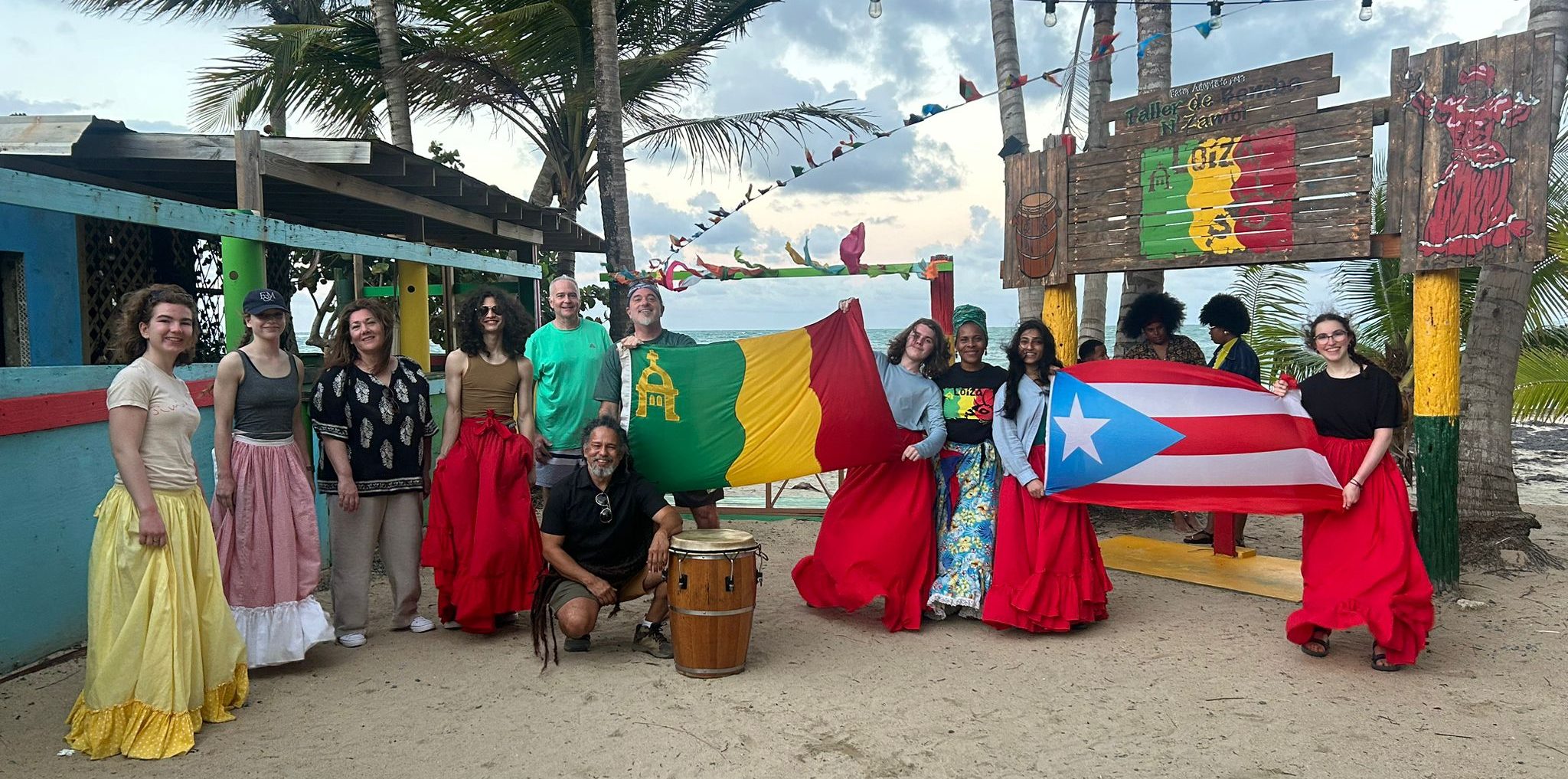
Puerto Rico is inhabited by three million U.S. citizens subject to federal laws who serve in the US Armed Forces at one of the highest rates. Yet they do not vote for president nor for representation in Congress. Is Puerto Rico a colony? Should it become the 51st state? Or should it be fully independent, keep it’s current status, or perhaps some other arrangement? This course travels to San Juan and its surrounding areas to examine one of the longest running unresolved status questions in the hemisphere. We will collaboratively design what a path forward might look like for the affected communities we engage with.
As with all Global Minds Institute courses, this one is strictly an academic endeavor which is firmly and purposely unaffiliated with any advocacy organizations, political agendas, or religious ideologies.
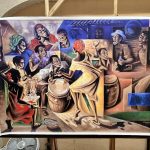
Discovering Puerto Rico and immersing ourselves in its diverse cultures are both sweet and essential to our mission. We will walk the island, closely examine competing status proposals, meet grassroots activists and local educators, engage with community arts, and volunteer alongside Puerto Rican high school students. Fun activities, including salsa dancing lessons, snorkeling and spectacular Caribbean beaches are part of the experience. No background on the subject is necessary.
In order to design effectively, this course will survey Puerto Rican history beginning with the Taíno (First Nation) through Spanish colonization, the arrival of enslaved West Africans, the U.S. acquisition of the island in 1898, and the origins of today’s status debate. Participants will become familiar with a comprehensive range of agendas and narratives regarding how the island arrived where it is, and where it ought to go. Special focus will be placed on modern Boricua identity and how it is expressed in Loíza, in Santurce, in the diaspora, and in the years since Hurricane María. As the course progresses students will be encouraged to develop their own critical thought, progressively becoming more discerning consumers of current events (and Super Bowl Halftime Shows).

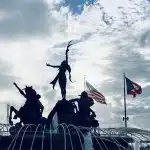



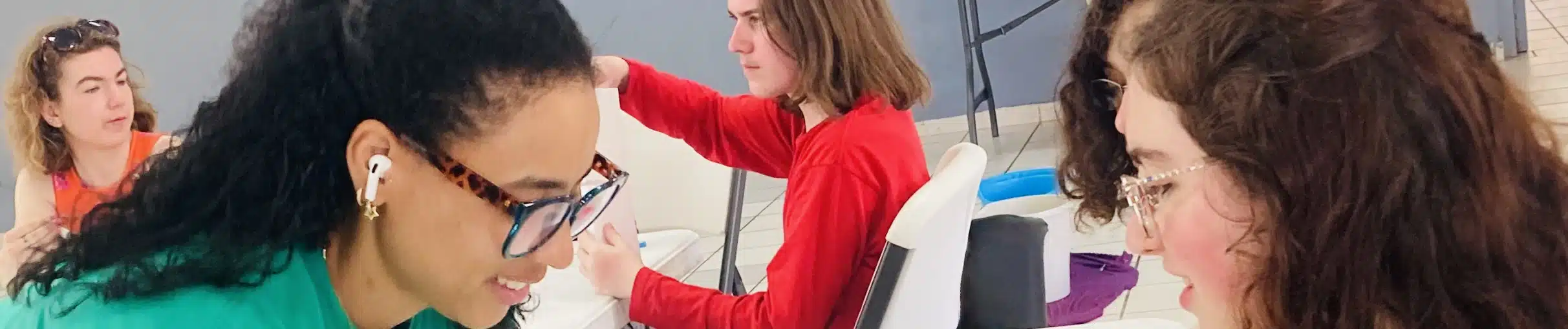
Through direct engagement with the community, student inquiry, and design sessions, we will attempt to create an artifact that effectively addresses the questions surrounding Puerto Rico’s political status and economic future. Successful completion of the course will translate to a comprehension of:
- Modern history of Puerto Rico beginning with the Taíno (First Nation)
- The colonial history shared across the Caribbean and the Americas
- The dynamics of territorial status, citizenship, and self-determination
- The role of migration, race, and diaspora in shaping Boricua identity
- The range of competing narratives and proposals
- The collaborative design process

Dates
2027 dates TBA
Expeditions may be customized to align with your academic calendar.
Open to HS students and educators (k-college).
Contact Us to inquire further.

Location
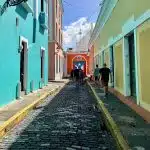
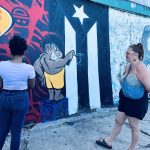
Puerto Rico’s history is reflected in its geography and society. Viejo San Juan was built as a fortified Spanish port with Castillo San Felipe del Morro constructed to control the maritime approach to the Americas. Immediately below those walls sits La Perla, established outside the walled city’s boundaries and still invoked in arguments over housing, policing, and who is counted. Beyond the capital, El Yunque is the only tropical rainforest in the U.S. National Forest System and an active site of climate resilience projects. Loíza, settled largely by free and formerly enslaved Africans, carries the island’s Taíno and West African inheritance in music, art, and foodways. Santurce is its contemporary counterpart, a neighborhood whose murals and rents are both being renegotiated. ¡ Ay wepa !
Contact us
to register as an independent group with customized dates.
FAQs
IS IT SAFE?
Yes, absolutely. Understandably, news headlines may cause apprehension among prospective participants. However, here are some important points to consider: Safety and security are the number one priority. Puerto Rico is a U.S. territory, and travel there requires no passport for U.S. citizens. Expeditions are to safe areas and avoid unnecessary risks. We are intimately familiar with San Juan and closely monitor current events, weather, and conditions on the island on a constant basis. Travel takes place in our own vehicles within a structured environment, and group leaders are reachable at all times. The program would be adjusted accordingly if we felt that we could not properly ensure participant safety and well-being.
WILL MY PARTICIPATION AND GRADE BE RECORDED ON MY TRANSCRIPT?
The course meets the curricular and instructional time requirements of most secondary education institutions. Participants will receive a course grade upon completion which will appear accordingly on the transcript pending approval of the institution they are currently enrolled in. Participants should confirm with their schools in advance of enrolling in the course. Prospective participants and school administrators are invited to Contact Us for further details on curriculum, assessments, diversified instruction, and how to best align with your school’s requirements.
MUST I BE A AFFILIATED WITH A SCHOOL TO PARTICIPATE?
No. This course is open to individuals and groups of students, faculty, and staff from all educational institutions including independent schools and home-schools pending they meet qualifications specified on the Program Application.
ARE SCHOLARSHIPS AVAILABLE?
Advancement efforts have been launched to raise scholarships which will be announced upon availability. Currently, there are no guarantees that scholarships will be available, and applications should be submitted with the assumption that program costs will be unsubsidized.
Contact Us to create dedicated scholarships or otherwise Support access to transformative GMI education programs.